 New Jersey Criminal Lawyers Blog


 Pranks, dares, and social media challenges may seem like fun on the surface, but they can quickly cross the line. When that happens, the consequences can be serious.
Activities that result in physical harm to another, damage to property, or panic throughout a community can lead to criminal charges ranging from disorderly persons offenses to indictable crimes, resulting in both criminal and collateral consequences. In extreme cases involving older juveniles and the most severe crimes, there is the possibility of the case being waived up to adult superior court.
Collateral consequences of prank-related crimes can impact the offender’s life long after the court-imposed penalties are completed. These consequences can affect the offender’s educational opportunities by resulting in the denial of admission, loss of scholarship or financial aid, or probation, suspension or expulsion from classes. They can also affect the offender’s ability to obtain a professional license, especially when seeking a career in the medical, dental, law, or accounting fields.
 Getting pulled over for suspicion of
 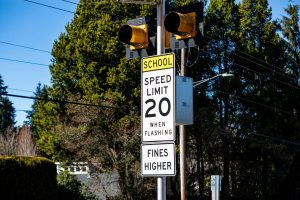 Under the law, traveling even one mile above the posted limit is a
  Knowingly providing false information to police or investigating authorities is a criminal offense. In New Jersey, it can be prosecuted under several different criminal statutes that subject Defendants to potential incarceration in State Prison.
 It is commonly known that all New Jersey gas stations are full-service, but did you realize that there is actually a law on the books prohibiting motorists from pumping their own gas in this state? The law was originally intended to protect personal safety.
 If you are facing arrest, resisting the police officer will only complicate matters. It is in your best interests, and everyone’s safety interests, to cooperate even if you believe the arrest is wrongful and exercise your right to an attorney when the time comes.
 How is it that the same crime can carry different sentences? The answer lies in the particular factual details of the case, the strength of the evidence, and additional background factors the court considers when imposing the sentence. Every case is unique.
 False accusations are not as unusual as one may think, and they can take a heavy toll on the accused emotionally, raising feelings of anger, fear and frustration. Whether they are the result of mistaken identity, a misunderstanding, or malicious intent, false accusations are serious matters that can severely damage the accused’s reputation, relationships, and future opportunities depending on the nature of the claim.
 In New Jersey, felonies are referred to as indictable offenses, misdemeanors as disorderly persons offenses. Indictable offenses are serious crimes with penalties ranging from 18 months to life in prison. Convictions carry lifelong consequences.
 As the holiday season approaches, most people look forward to celebrations and feelings of good cheer. Those involved in abusive relationships, however, experience heightened tensions and fear instead.